
Cell Potential or Electromotive Force (EMF) of a Cell.

Cell Potential or Electromotive Force (EMF) of a Cell.

Cell Potential or Electromotive Force (EMF) of a Cell. In an electrochemical cell, the potential difference between the cathode and the anode is called the cell potential. Alternatively, The potential difference between the two electrodes is termed the cell potential or the cell electromotive force (EMF). Ecell = Ecathode - Eanode ECell = ER -…

0 Comments
Electrochemistry
Electrochemistry

Electrochemistry

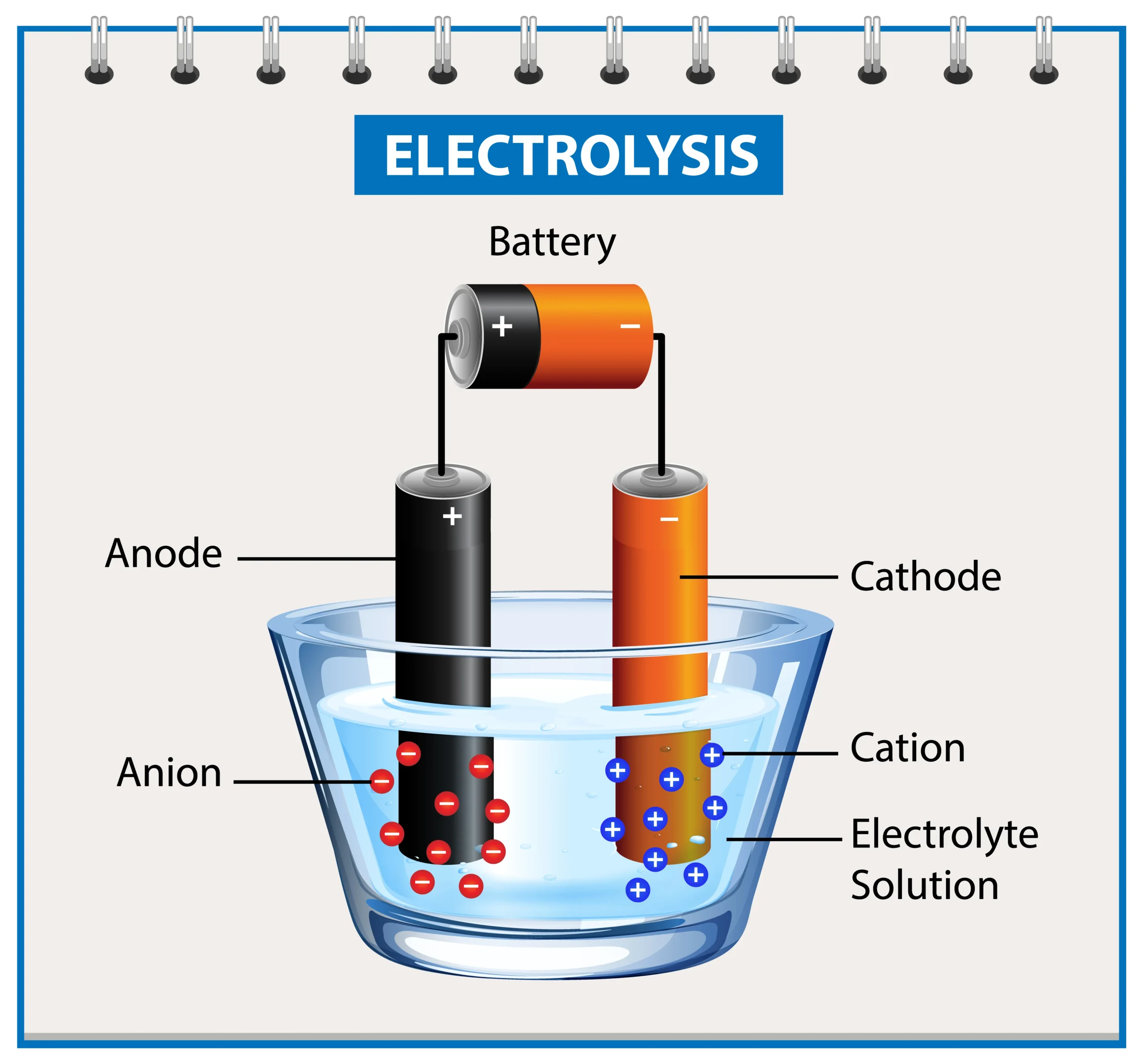
Electrochemistry Electrochemistry—"The branch of chemistry that deals with the study of the conversion of chemical energy into electrical energy, and electrical energy into chemical energy, is known as Electrochemistry." Cell—The device through which the conversion of chemical energy into electrical energy, or electrical energy into chemical energy, takes place is called a cell. Cells are…

0 Comments
Abnormal Molar Mass and van’t Hoff Factor (i)
Abnormal Molar Mass and van't Hoff Factor

Abnormal Molar Mass and van’t Hoff Factor (i)

Abnormal Molar Mass and van't Hoff Factor (i) Abnormal Molar Mass – If a solute undergoes dissociation or association within a solution, the molar mass of that solute—when determined based on colligative properties—will appear to be either lower or higher than its theoretical (normal) molar mass. This is referred to as abnormal molar mass. van't…

0 Comments
Osmosis and Osmotic Pressure.
Osmosis and Osmotic Pressure

Osmosis and Osmotic Pressure.

Osmosis and Osmotic Pressure. The spontaneous flow of solvent molecules from a less concentrated solution to a more concentrated solution through a semi-permeable membrane is called osmosis. Solution - High Concentration          Solution - Low Concentration Solvent - Low Concentration            Solvent - High Concentration Osmotic Pressure. The additional external pressure applied to a solution that prevents…

0 Comments
Colligative Properties and the Calculation of Molecular Mass

Colligative Properties and the Calculation of Molecular Mass

Colligative Properties and the Calculation of Molecular Mass. Properties that depend on the quantity (or the number of molecules) of the solute present in a solution—rather than on the nature of the solute itself—are known as colligative properties. Colligative properties are of four types. Relative lowering of vapor pressure Elevation in boiling point Depression in…

0 Comments
Ideal and Non-Ideal Solutions

Ideal and Non-Ideal Solutions

Ideal and Non-Ideal Solutions. Ideal Solutions- Solutions that obey Raoult's law at all concentrations are called ideal solutions. Ideal solutions have the following properties. 1. The enthalpy change for an ideal solution is zero.                                                   [H = 0] That is, there is neither absorption nor emission of heat in the formation of an ideal solution.…

0 Comments
Vapor Pressure of Liquid Solutions.
Vapor Pressure of Liquid Solutions

Vapor Pressure of Liquid Solutions.

Vapor Pressure of Liquid Solutions. The pressure exerted by a volatile liquid on the surface of the liquid by its vapor at equilibrium is called the vapor pressure exerted by that surface on the liquid. Liquid-Liquid Solution - The vapor pressure of a solution obtained by mixing a volatile solute (liquid) with a volatile solvent…

0 Comments
Solubility in solution

Solubility in solution

Solubility - At a specific temperature, the maximum amount of solute present in a unit volume of a solution is termed the solubility of that substance. Saturated Solution - "A solution in which no further solute can be dissolved at a given temperature and pressure is called a saturated solution." Unsaturated solution - A solution…

0 Comments
Concentration of Solution.
Concentration of Solution

Concentration of Solution.

Concentration of Solution. Concentration - The amount of solute present in a unit volume of a solution is called the concentration of the solution. The concentration of a solution is expressed in the following terms. Methods of measurement. 1. Mass percent (w/w)% For example: 10% (w/w)% means a solution of glucose in water. 10 gm…

0 Comments
Solution in Chemistry
What is a Solution

Solution in Chemistry

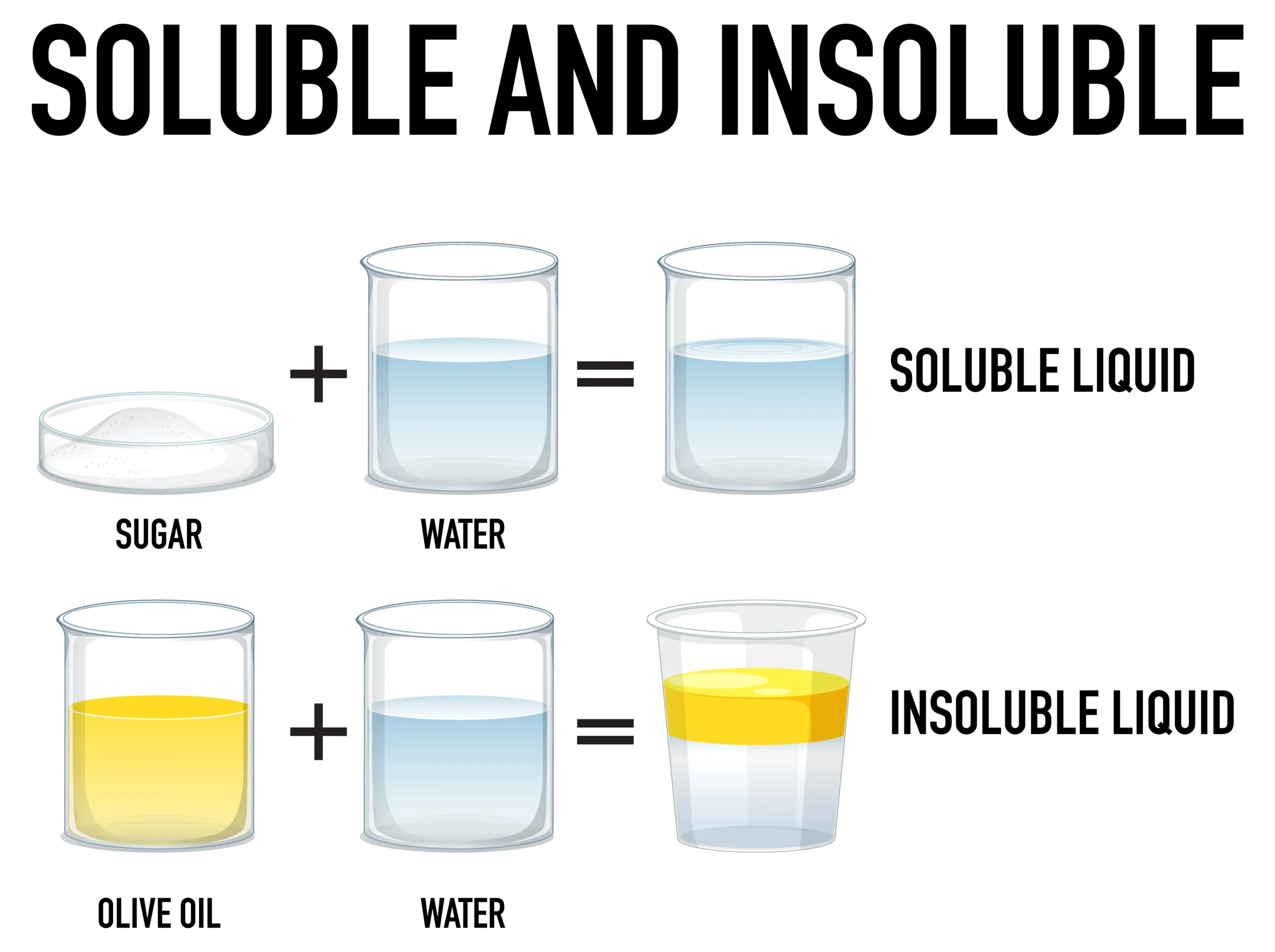
Solution in Chemistry What is a Solution? A homogeneous mixture of two or more substances is called a solution. A solution consists of two components. Solute Solvent Solution = Solute + Solvent Solute → The component present in a smaller quantity within the solution is called the solute. Solvent → The component present in a…

0 Comments